CLS - Inner Glow Overflow Helping Women Redefine Success, Confidence & Abundance

Inner Glow Overflow: Helping Women Redefine Success, Confidence & Abundance

At Creative Little Soul, we’re always inspired by people helping others reconnect with who they truly are. We recently sat down with Inner Glow Coach Angie to talk about her signature program, Inner Glow Overflow, and why so many successful women still feel as though something is missing despite having achieved everything they thought they wanted.

Success on Paper Isn’t Always Fulfilment

Inner Glow Overflow was created for women who appear successful from the outside but feel disconnected on the inside.

“She’s intelligent, accomplished, responsible, and capable,” Angie explains. “Yet underneath all of that, she often struggles with self-trust, self-expression, visibility, and the feeling that no matter how much she achieves, it never quite feels like enough.”

After years of coaching women, Angie noticed a common pattern. Many were carrying inherited beliefs about money, worthiness, success, and what they deserved. These stories affected everything from their confidence and relationships to their ability to ask for more, take opportunities, and trust themselves.

“The real issue wasn’t money,” she says. “It was the stories underneath it.”

That insight became the foundation of Inner Glow Overflow, a six-month coaching experience that combines identity work, nervous system healing, self-trust, and financial empowerment.

Reconnecting With Your Inner Glow

The program’s name is deeply personal to Angie.

“Inner glow is the light we’re all born with before the world tells us who we should be.”

She believes many women spend years seeking approval, performing for others, and shaping themselves around expectations rather than their own desires. After experiencing her own emotional rock bottom, Angie began investing in healing and personal growth.

“I learned how to trust myself, respect myself, and truly love myself,” she says. “One day, I felt this warm energy radiating from my chest. People started telling me I looked like I was glowing. That’s when I realised I was feeling self-love.”

Today, she describes inner glow as the result of self-trust, emotional safety, self-expression, and knowing your worth without constantly trying to prove it.

Why Money, Identity & Confidence Are Connected

One of the things that makes Angie’s work unique is her blend of transformational coaching and more than 20 years of corporate finance experience.

“Money stories are the beliefs we inherit about money, success, worthiness, and what’s possible for us,” she explains. “Identity is who those stories cause us to become, and energy is how they show up in our thoughts, emotions, and decisions.”

She often sees women carrying beliefs such as:

  • “I have to work hard to deserve money.”
  • “Wanting more money is selfish.”
  • “If I become successful, people will judge me.”
  • “I’m not good with money.”

“Most women don’t realise these stories are running in the background because they’ve heard them for so long they feel like facts.”

According to Angie, these beliefs don’t just impact finances. They affect confidence, visibility, relationships, and the opportunities women allow themselves to pursue.

“You can’t spreadsheet your way out of self-worth issues, but you also can’t manifestation-journal your way around practical financial habits.”

The Transformation Beyond Money

While many clients experience financial growth, Angie says the biggest changes happen internally.

“Women stop making decisions from fear and start making decisions from self-trust.”

Clients often move from overthinking, self-doubt, and people-pleasing to greater confidence, visibility, and self-expression. They begin to use their voice more confidently, set stronger boundaries, and trust themselves to navigate uncertainty.

“They start carrying themselves differently,” Angie says. “There’s more of an ‘I belong here’ energy.”

As their self-trust grows, so does every other area of their life—from relationships and career opportunities to their sense of fulfilment and wellbeing.

What Success Really Looks Like

For Angie, success isn’t defined by numbers in a bank account.

“Success is having a life that doesn’t just check society’s boxes. It actually feels good to be alive.”

She describes success as making decisions without constantly second-guessing yourself, trusting your own voice, and no longer shrinking to fit environments you’ve outgrown.

“When a woman stops letting old stories define what she’s worthy of, everything changes.”

A Final Message for Women Feeling Stuck

For women who feel exhausted from constantly chasing the next achievement, Angie offers one powerful reminder:

“Abundance is not the same thing as achievement.”

She believes many women postpone happiness until they reach the next goal, promotion, salary increase, or milestone.

“But if you’re still operating from stories that tell you your worth has to be earned, no amount of external success will create the feeling you’re actually craving.” 

Instead, she encourages women to start creating a life that feels abundant now.

“True abundance isn’t just money in your bank account. It’s self-trust, emotional safety, healthy relationships, joy, self-expression, and feeling fully alive in your own life.”

Because ultimately, as Angie puts it:

“What is the point of looking successful on paper if you aren’t happy and fulfilled?”

New SMS Law

New law changes in Australia on how you SMS, and what you need to know to be compliant by July 1

SMS marketing is one of those things that can look deceptively simple.

A short message. A link. A cheeky offer. Maybe an appointment reminder, a last-minute table release, an event nudge, or a “hey, we miss you” campaign.

But when it is done well? SMS can be an absolute powerhouse.

It’s fast, direct, and hard to ignore. Especially when compared with the 47 unread emails currently sitting in someone’s inbox. It is also brilliant for driving quick action, whether that is booking an appointment, grabbing tickets, making a purchase, or finally responding to that reminder they have been meaning to deal with for three days.

And unlike email, unsubscribe rates for SMS tend to stay wonderfully low when businesses use it properly: sparingly, strategically, and with messages that are actually useful to the person receiving them.

There is, however, one very important bit of SMS housekeeping businesses need to sort out right now.

The ACMA Sender ID changes are coming

From 1 July 2026, Australian businesses sending branded SMS messages need to have their Sender ID registered.

A Sender ID is the name that appears at the top of a text message instead of a phone number. Think “YOURBUSINESS”, “BOOKINGS” or “SALE ALERT” rather than a random mobile number that looks vaguely suspicious.

If you are using your business name as the sender of your SMS messages, you are using a Sender ID.

If that Sender ID is not registered by 1 July, your messages may be replaced with the word “Unverified” on your customer’s phone. They may also be grouped into one message thread with other unverified messages — including potential scam texts. Not exactly the premium brand experience we are going for.

Why it matters

Customers are already pretty scam-aware. They are cautious about links, suspicious of unexpected messages, and increasingly likely to delete anything that feels even slightly dodgy.

So imagine you have put together the perfect SMS campaign:

“Flash sale! 20% off today only. Tap here to shop…”

But instead of arriving from your trusted business name, it lands under “Unverified”, next to a suspicious parcel-delivery scam and a message claiming someone has inherited $4 million from a distant relative.

Not ideal.

Registering your Sender ID helps customers recognise that the message is genuinely from you. It protects your brand, supports customer trust, and makes it harder for scammers to pretend to be your business.

Why SMS is still worth having in your marketing mix

SMS is not here to replace email marketing. They are more like a very good duo.

Email is where you can tell the story, show off the products, share the details, and build a relationship over time.

SMS is where you can say:

  • “Your appointment is tomorrow at 10 am.”
  • “We have two tables available tonight.”
  • “Tickets are nearly gone.”
  • “Your cart is still waiting for you.”
  • “This offer ends at midnight, don’t make us send another reminder.”

It is perfect for urgency, reminders, limited-time offers, booking confirmations, event updates, and bringing customers back through the door.

The trick is to not treat it like a megaphone. Nobody needs a text every second Tuesday because you felt like saying hello. But when the message is relevant, timely, and genuinely useful, customers tend to stick around.

What you need to do

If you send SMS messages using your business name, contact your SMS provider or telco before 1 July 2026 and ask them about registering your Sender ID.

You will need to register through the telco or messaging provider you use to send your SMS campaigns. Your Sender ID also needs to clearly relate to your business, registered name, trademark, or domain, and your ABN details need to be current.

Do not leave it until the eleventh hour. ACMA has warned that last-minute applications may not be processed in time, and nobody wants their first post-1 July campaign showing up as “Unverified”.

If you send SMS from a standard mobile number rather than a branded business name, you do not need to register a Sender ID.

Need a hand with SMS marketing?

SMS can be a seriously effective addition to your marketing mix when it is used with a bit of thought, good timing, and a clear reason for landing in someone’s pocket.

At Creative Little Soul, we can help with SMS campaigns, automations, customer journeys, database segmentation, and the all-important “what do we actually say?” part.

And if you are using a branded Sender ID, pop it on the to-do list now. Preferably above “sort office filing” and below “make coffee.”

Ready to get started? You’ve come to the right place. Contact us now.

Proving ROI: How to Show Marketing Is Actually Working

Proving ROI: How to Show Marketing Is Actually Working

Let’s get one thing straight. If you can’t prove your marketing is working, it doesn’t matter how good it looks.

Vanity metrics don’t pay the bills. Likes, reach, impressions… nice to have, but they don’t mean much if they’re not tied to revenue.

Here’s where most businesses get it wrong:

You’re tracking activity, not outcomes ? Posting consistently isn’t a result. Sending emails isn’t a result. Running ads isn’t a result. Sales, bookings, enquiries, repeat customers… that’s what matters. If you’re not measuring those, you’re missing the point.

You’ve got no clear goal ? Every campaign should have a job. Are you trying to drive bookings? Sell tickets? Grow your database? Increase repeat spend? If you don’t define that upfront, you won’t know if it worked.

You’re not using the data you already have ? Your POS, your CRM, your email platform… they’re all telling you what’s working. Most businesses just don’t look, or don’t know how to connect the dots.

You’re not attributing properly ? Someone might see your ad, open your email, check your Instagram, then book. That’s not “Instagram didn’t convert.” That’s a multi-touch journey. Marketing works together, not in isolation.

So how do you actually prove ROI?

Start with clear objectives ? One campaign, one focus. Know exactly what success looks like before you launch.

Track the right metrics ? Depending on your goal, that could be:

  • Revenue generated
  • Number of bookings or tickets sold
  • Cost per acquisition
  • Email conversions
  • Database growth

Tie everything back to dollars where possible.

Use your systems properly ? Set up tracking links, UTM parameters, conversion tracking on ads, and make sure your CRM is capturing where customers are coming from. This is basic, but most skip it.

Look at trends, not one-off results ? One campaign doesn’t tell the full story. Consistency over time does. Are your emails improving? Are your campaigns driving repeat visits? Is your database growing and converting?

Factor in retention ? ROI isn’t just about the first sale. If your marketing brings someone in once and they come back five times, that’s where the real value is.

And here’s the part people don’t like hearing.

Not everything converts instantly.

Brand awareness, trust, staying top of mind… they all play a role. But if you’re doing it properly, they should still lead somewhere. Traffic, sign-ups, enquiries. There should always be a next step.

If there isn’t, that’s a problem.

Here’s the bottom line.

Good marketing isn’t a guess. It’s measurable.
If you can’t see what’s working, you can’t scale it.
And if you can’t scale it, you’re stuck.

You don’t need more marketing. You need better visibility on what your marketing is actually doing.

If you’re ready to stop questioning your spend and start seeing real results, book a strategy session.

No fluff. No BS. Just marketing that proves its worth.

EOFY Is Coming: Where to Spend Your Marketing Budget for Real Impact

EOFY is Coming

Where to Spend Your Marketing Budget for Real Impact

EOFY isn’t just about clearing stock and ticking boxes for your accountant.
It’s one of the smartest times of year to invest in your marketing properly.

But here’s where most businesses get it wrong. They either panic spend… or don’t spend at all.

Neither works.

If you’re going to put money into your marketing at EOFY, it needs to actually move the needle. Not just look busy.

Here’s where I’d be putting it:

Fix your foundations first ? There’s no point pouring money into ads or campaigns if your backend is messy. Your website, booking system, CRM, email platform. If they’re clunky, outdated, or not converting, fix that first. Otherwise, you’re paying to send traffic to a dead end.

Invest in your database ? This is your most valuable asset. Full stop. EOFY is the time to clean it, segment it, and build it. Run a competition. Add sign-up incentives. Tighten your automations. Welcome flows, win-back campaigns, birthday offers. This is where long-term revenue comes from.

Upgrade your email and SMS marketing ? If you’re not using these properly, you’re leaving serious money on the table. EOFY is the time to set up templates, flows, and campaigns that you can reuse and optimise. One good system here will outperform most of your social media efforts.

Get your brand and assets sorted ? New season menus, updated photography, brand refresh, social templates, event artwork. If your brand looks inconsistent or outdated, it impacts how people perceive you. This isn’t about pretty for the sake of it, it’s about credibility and conversion.

Put budget behind what’s already working ? EOFY is not the time to experiment wildly. Double down on campaigns, channels, and offers that have already proven themselves. If your email drives bookings, invest there. If SMS fills seats fast, use it. Scale what works.

Set up proper tracking and reporting ? If you can’t measure it, don’t spend on it. Use EOFY to get your tracking sorted. Conversion tracking, UTM links, CRM reporting. This is how you prove ROI and make smarter decisions moving forward.

Plan ahead for key dates ? EOFY spend shouldn’t just be about now. It should set you up for the next 3–6 months. Think winter promotions, school holidays, Winter events. Build campaigns in advance so you’re not scrambling later.

Consider paid ads… but only if the rest is in place ? Ads amplify what’s already working. They don’t fix broken systems. If your offer, funnel, and follow-up are solid, then yes, increase your spend. If not, fix that first.

Here’s the bottom line:

EOFY spend should set you up for growth, not just clear your budget.

If you’re throwing money at random tactics, you won’t see a return. If you invest in strategy, systems, and assets that keep working long after June 30, that’s where the real impact is.

Spend smarter, not louder.

And if you want to make sure your EOFY budget actually delivers, book a strategy session.

Campaign Fatigue Is Real. Here’s How to Fix It

Campaign Fatigue Is Real. Here’s How to Fix It 

If your campaigns feel flat, your audience isn’t engaging, and your results are dropping… that’s not bad luck. It’s fatigue.

And it happens when you keep pushing the same message, the same offer, the same angle, over and over again.

People tune out. Fast.

Here’s what’s actually going wrong:

You’re saying the same thing every time ? Same wording, same visuals, same call to action. Even if the offer is good, it starts to feel repetitive. Your audience has seen it before and they stop paying attention.

You’re only showing up when you want to sell ? If every touchpoint is “book now,” “buy now,” “limited time,” people switch off. There’s no build-up, no value, no reason to stay engaged between campaigns.

You’ve burnt out your own list ? Over-emailing the same message without variation or segmentation kills performance. Open rates drop, clicks drop, and unsubscribes creep up.

You’re not evolving your creative ? Running the same ads, same graphics, same formats for too long? They stop performing. That’s not the platform, that’s creative fatigue.

So how do you fix it?

Change the angle, not just the offer ? Sell the same thing in different ways. Focus on different benefits, different use cases, different moments. Keep it fresh without reinventing the wheel.

Mix your content ? Not everything should be a hard sell. Layer in value, behind-the-scenes, social proof, and personality. This keeps your audience warm so your campaigns actually land.

Segment your audience ? Not everyone needs to hear the same thing. Speak differently to new customers, regulars, and lapsed ones. This alone can lift results without increasing spend.

Refresh your creative regularly ? New visuals, new hooks, new formats. You don’t need a full rebrand, you just need to stop showing people the exact same thing on repeat.

Build a proper campaign flow ? Tease it, build it, launch it, then follow up. Most businesses skip straight to “buy now” and wonder why it flops.

Here’s the bottom line:

Campaign fatigue isn’t a sign your offer is bad. It’s a sign your execution needs work.

Fix that, and you’ll start seeing results again.

If your campaigns feel like they’re going nowhere, it’s probably time to stop guessing and start doing this properly. Book a strategy session and let’s get it sorted.

If Your Brand Feels Generic, This Is Why

If Your Brand Feels Generic, This Is Why

Let’s call it out: If your brand feels like everyone else’s… it probably is.

And no, it’s not because your business isn’t good. It’s because your marketing isn’t distinct enough to stand on its own.

Here’s where most businesses get it wrong:

You’re playing it safe ? You don’t want to offend, stand out too much, or say the wrong thing. So you water it down. Neutral tone. Safe captions. Same phrases everyone else is using. The result? You blend in. Safe doesn’t convert. Safe gets scrolled past.

You sound like everyone else in your industry ? If I can copy and paste your caption onto a competitor’s page and it still makes sense, that’s a problem. “Quality service.” “Passionate team.” “We care about our customers.” Everyone says that. None of it differentiates you.

You’ve confused aesthetic with brand ? A nice logo, curated feed, and pretty colours don’t equal a strong brand. That’s surface-level. Your brand is how you sound, what you stand for, what you say no to, and how consistently you show up. If the visual is doing all the heavy lifting, you’ve got a gap.

You don’t have a clear point of view ? Strong brands have opinions. They take a stance. They’re known for something. If you’re trying to appeal to everyone, you end up resonating with no one. Clarity beats broad appeal every time.

You’re not speaking directly to your audience ? Generic brands talk to “everyone.” Effective brands talk to someone specific. If your messaging isn’t calling out your ideal customer, their problems, and what they actually care about, it won’t land.

You’re copying instead of leading ? Inspiration is one thing. Copying trends, formats, and other brands without adapting them to your voice is another. If your content looks like a diluted version of someone else’s, you’ve already lost.

You’re inconsistent ? One day you’re polished and corporate, the next you’re casual and cheeky, then you disappear for a week. There’s no consistency in tone, messaging, or presence. That makes it hard for people to understand who you are, let alone trust you.

You’re not backing it with strategy ? Branding isn’t just vibes. It needs to connect to your offers, your campaigns, your customer journey. If your branding doesn’t lead somewhere, it’s just noise.

So what actually fixes it?

You get clear on what you stand for ? What you do, who you do it for, and why it matters. No fluff.

You find your voice and stick to it ? Not what you think you “should” sound like, but what actually reflects you and your business.

You stop trying to appeal to everyone ? And start speaking directly to the people who are most likely to buy from you.

You build messaging that connects to outcomes ? Not just “we’re great,” but why that matters to your customer.

You create consistency across everything ? Socials, email, website, ads. It should all feel like the same brand, not five different personalities.

And most importantly, you back it with strategy ? Because a strong brand isn’t just recognisable, it drives action.

Here’s the truth:

If your brand feels generic, it’s not a design issue. It’s a clarity issue.

And clarity is what separates brands that get noticed from brands that get ignored.

If you’re ready to stop blending in and start building something that actually cuts through, book a discovery call or strategy session.

No fluff. No BS. Just a brand that actually works.

CLS - DIY Marketing (and how to know it’s time to outsource)

DIY Marketing (and how to know it’s time to outsource)

Let’s not sugarcoat it. DIY marketing works… until it doesn’t.

In the early days, you should be doing it yourself. It teaches you your brand, your audience, and what actually moves the needle. But there comes a point where DIY stops being scrappy and starts costing you money.

Here’s how you know you’ve hit that point:

You’re busy… but not growing ? You’re posting, emailing, and showing up, but your revenue is flat, your bookings are inconsistent, and your database isn’t growing. That’s not a content problem, it’s a strategy problem. If your marketing isn’t tied to clear outcomes like sales, bookings, and retention, you’re just making noise.

You’re guessing instead of following a plan ?  If your internal dialogue sounds like “what should I post today?” or “what should I send this week?” then you don’t have a strategy, you have a to-do list. Real marketing is planned and mapped to key dates, campaigns, offers, and customer behaviour. Winging it is costing you.

Your time is better spent elsewhere ? You didn’t start your business to become a full-time marketer. If you’re spending hours designing posts, writing captions, building emails, and trying to figure out ads, you’re pulling yourself away from the work that actually generates revenue. Your time has value, and if marketing is chewing it up without return, it’s a problem.

You’re not using the tools properly ? Email platforms, CRM systems, SMS, automations. Most businesses have them, very few use them well. If you’re not segmenting your database, running automations like welcome flows or win-back campaigns, and using data to guide decisions, you’re leaving money on the table. DIY starts to hurt here because the tools are powerful, but only if you know how to use them.

You’re inconsistent ? You go hard for a few weeks, then life gets in the way, then silence. Marketing doesn’t work like that. Consistency builds trust, and trust builds sales. If your marketing is inconsistent, your revenue will be too.

You care more about aesthetics than results ? If you’re obsessing over fonts, colours, and whether something looks “nice” but not asking if it will convert, what the call to action is, or where it fits in the bigger picture, you’ve missed the point. Good marketing isn’t just pretty, it performs.

You’ve hit a revenue ceiling ? This is the big one. You’ve grown as far as you can on your own and now you’re stuck. Not because your business isn’t good, but because your marketing isn’t scaling with you. Growth requires better systems, stronger campaigns, and proper execution, not something you figure out when you have time.

So when is it time to outsource? 

It’s when you’re ready to grow, not just maintain. When you want predictable revenue instead of guesswork. When you’re done wasting time on trial and error. When you understand that marketing is an investment, not an expense. And most importantly, when you’re ready to get out of your own way.

DIY marketing will get you started. But it won’t scale your business. If you’re serious about growth, you need strategy, systems, and execution that actually drive results.

If you’re done guessing and ready to do this properly, book a discovery call or strategy session. No fluff, no BS, just marketing that works.

Good Content, Zero Results Here’s Why

Good Content, Zero Results? Here’s Why

Let’s get straight to the point!  Most of you don’t have a content problem. You have a distribution problem. 

I see it every single day. Good businesses. Solid offers. Decent content. 

And then… ? You post it once on Instagram ? Maybe chuck it on Facebook ? Cross your fingers ? Wonder why nothing happens. 

That’s not a content strategy. That’s wishful thinking.

The biggest lie in marketing right now? “If your content is good, it’ll get traction.” 

No. It won’t. Not in 2026. Not with the way algorithms work. 

Social media is pay-to-play. Reach is inconsistent. Attention spans are cooked. 

 If you’re relying on one platform to carry your business, you’re setting yourself up to fail.

It’s not more content. It’s more intentional distribution. Here’s what that looks like in real life:

1. One Piece of Content ? One Post

If you’re creating something, it should be working harder than you are. That one piece of content should become: a Reel, a static post, a story sequence, an email, an SMS, a blog, a Google Business update. 

? Same message. Multiple touchpoints. Because your audience isn’t sitting in one place waiting for you.

2. Email & SMS = Your Power Channels

Everyone’s obsessed with social. 

Meanwhile… Email and SMS are where conversions actually happen. You own these channels. No algorithm. No guessing.

 If you’re not sending regular emails, using SMS for key moments, and building your database, you’re missing the easiest wins in your business.

3. Repetition Isn’t Annoying — It’s Necessary

You’re worried about “posting too much”. I promise you… No one is seeing everything you post. You need to say the same thing in different ways, on different days, across different platforms. 

That’s not overkill. That’s marketing.

4. Timing Matters More Than You Think

Dropping content randomly and hoping for the best? Stop it. You need to align your content with events, seasons, weather and customer behaviour. 

Context is what drives action. Not just pretty content.

5. Stop Waiting for Perfect

Another killer. You’re holding back content because it’s not polished enough, the lighting isn’t perfect, the caption isn’t “right”. Meanwhile, your competitors are out there showing up, being visible and taking your customers. ?  Done beats perfect. Every time.

The hard truth? 

You don’t need another photoshoot, another rebrand or another content calendar template. You need a plan to get your content in front of more people. Consistently. Strategically. Without overcomplicating it.

At Creative Little Soul, we don’t just create content. We map out where it goes, when it goes, who it reaches and how it converts. Because content without distribution is just noise.

If your content “isn’t working”… it’s probably not the content. ? It’s that not enough people are seeing it. Fix your distribution, and everything changes: more reach, more engagement, more bookings, more sales. No BS.

If you’re ready to stop guessing and actually get results, book in a strategy session. Let’s make your content work harder — and actually get seen.

Asher Milgate

Seeing Beyond the Scroll: A Conversation with Photographer Asher Milgate

At Creative Little Soul, we’re always drawn to the people behind the lens—the creatives who shape how we see the world. We recently sat down with photographer Asher Milgate to talk about capturing human essence, the evolving relationship we have with imagery, and why investing in high-quality visual content matters now more than ever.

The Changing Way We Experience Photography

In a world where images are constant—especially online—we asked Asher whether people engage with photography differently today.

“Absolutely,” he says. “Photographs that were once tangible, chemical processes are now mostly virtual—viewed through screens and rarely experienced in their natural form. I think images have a greater impact physically.”

Asher reflects on the shift from film to digital, and now into the age of AI. “We’ve gone from something deeply physical and scientific into digital, and now into something almost fabricated. It’s a strange evolution.”

He recalls asking teenagers at a workshop how they consume media. Their response? They simply picked up their phones. It’s a telling sign of how disconnected we’ve become from photography as a physical art form.

Authenticity in the Age of AI

With AI-generated visuals becoming increasingly common, what makes a photograph feel real?

“It comes down to your relationship with the subject,” Asher explains. “Photography has always had an element of illusion—we frame, position, and guide the viewer’s eye. But authenticity comes from the truth and rawness of a moment.”

While AI can replicate “realness,” it often becomes too polished. “The tones, the highlights—it’s all amplified to a point where you start to question it. That’s when it feels off.”

There’s a subtle but powerful difference between something that looks real and something that feels real—and audiences are becoming more aware of that distinction.

Why Memorable Images Feel Rare

Despite the endless stream of content, truly memorable images seem harder to come by.

Asher believes this comes down to trends. “People follow what works—what gets engagement—and then repeat it. But if you’re only consuming one type of content, you start replicating it without developing your own visual voice.”

Standing out, he says, requires trust in your own perspective. “You have to back yourself and say, ‘This is how I see the world.’ Otherwise, you’re just blending into the noise.”

What Makes Someone Stop Scrolling?

So what separates a scroll-past image from one that makes you pause?

“It’s personal,” Asher says. “We’re all chasing something internally—something that resonates. For me, it might be sharp European mountain landscapes. For someone else, it’s something entirely different.”

Ultimately, a strong image taps into something instinctive. It sparks curiosity, emotion, or recognition—often without us fully understanding why.

The Power of Visual Content for Brands

Today, brands, artists, and businesses communicate visually more than ever. Yet, according to Asher, many underestimate the true potential of their imagery.

“It’s rare to see people use images to their full capacity,” he says. “I’ve seen beautiful photos reduced to tiny thumbnails where you can’t even see the subject. It loses its impact.”

On the flip side, when imagery is used well, it becomes a powerful tool. “The image draws you in, and the copy seals the deal.”

A strong photograph doesn’t just support a message—it is the message.

Imagery as a Brand’s Visual Language

At Creative Little Soul, we often describe imagery as a brand’s visual language. Asher agrees—and takes it a step further.

“I think of brands as people,” he says. “They have identities, they evolve, they shift.”

He compares working with a photographer to finding a great hairdresser. “Once you find someone who understands how to present you, you stick with them. That relationship grows alongside your brand.”

Photographers, he says, are “professional seers”—people who can interpret and translate a vision in ways others might not see.

In a fast-moving digital world, where content is constant and attention is fleeting, the value of intentional, high-quality imagery has never been greater.

A powerful image doesn’t just fill space—it creates connection. It tells a story. It makes someone stop, feel something, and remember.

And that’s something worth investing in.

CLS - Micro-Moments Leveraging tiny interactions for big impact

Micro-Moments: Leveraging tiny interactions for big impact

Let’s be real, everyone loves the big, splashy campaigns. The ones that get people talking, generate buzz, and make your brand look larger-than-life. But here’s the thing: lasting impact rarely comes from one-off fireworks. Rather, it’s the tiny, thoughtful moments sprinkled throughout your customer journey that actually build loyalty, engagement, and yes… sales.

At Creative Little Soul, we live for these micro-moments. Those little touchpoints online and offline that make your audience feel seen, valued, and part of your world. In this blog, learn what micro-moments are and how you can work on building them into your business strategy to turn those tiny interactions into long lasting impact for your brand.

What Are Micro-Moments?

Micro-moments are all the little interactions that influence how your audience feels about you. A cheeky reply to a social media comment, a well-timed SMS reminding someone about a VIP night, or a friendly follow-up after an event — they might seem small, but trust us, they add up fast.

We’ve seen brands completely transform their engagement by identifying these moments and turning them into strategic, repeatable wins. It’s the difference between being forgettable and being unforgettable.

Events: Beyond the Night

Events are basically a micro-moment playground. Every single touchpoint matters — before, during, and after.

Pre-event hype: waitlists, countdown emails, sneak peeks, early-access perks. Little things that make people feel like VIPs, and leave them wanting more. For our events clients, pre-event content sequences are non-negotiable. An integral part of an event’s overall marketing strategy that ensures they’ve been set up for success as soon as the event hits the ground. 

During the event: Think beyond just the basics. Branded signage, thoughtful swag, or even remembering repeat guests’ names, these are the little touches that make people actually remember your event, and turn one-time-partygoers into regulars and groupies alike.

Post-event follow-up: This is where most brands flake out. But following up with attendees — via recap emails, surveys, or sharing highlights on social, keeps the love alive. Plus, it gives you a clearer picture of success beyond ticket sales. Did attendees engage with your socials afterward? Did they join your VIP club? These are the moments that actually show if your event worked and yes, we help clients make this process seamless (get in touch with our expert entertainment and events team to learn more).

UGC & Influencer Magic

User-generated content and influencer collabs? They’re basically micro-moment cheat codes.

UGC ideas: One tactic we swear by is incentivising UGC posts, something like, “Tag us in your pics for your chance to win a gift voucher.” Simple, fun, and it actually works. Beyond just engagement, UGC is a trust-building tool: when potential customers scroll through your feed or stories and see real people interacting positively with your brand, it gives them confidence to engage too. People trust people, not just curated content, and authentic UGC shows your brand in real life, creating credibility that doesn’t go unnoticed.

Influencer collabs: It’s not about chasing big numbers, it’s about authentic alignment. We help brands find influencers who genuinely fit their vibe, arrange for them to attend events, and guide them in creating natural, shareable content. Result? Social proof that actually feels real, not staged.

Building Community Through Loyalty

Micro-moments aren’t just about events and socials, loyalty programs, VIP clubs, and automation are where the real magic happens.

VIP & loyalty perks: Surprise early access, exclusive content, or small treats show people you value them. Automated emails or personalised offers make every interaction feel considered, not random.

Segmented automations: Not every customer is the same. Segmenting your audience lets you deliver the right message at the right time, think birthday rewards, “we miss you” emails, or post-event shout-outs. It’s these tiny gestures that turn casual visitors into die-hard fans.

When micro-moments feel personal, thoughtful, and timely, they build community, trust, and repeat engagement, the kind of connections we love helping our clients create.

Tiny Actions, Big Impact

Here’s the truth: you don’t need to blow up your budget for massive results. Small, consistent touchpoints across events, social media, influencer collaborations, and loyalty programs stack up into huge wins.

Want to make every interaction count and turn casual audiences into loyal advocates? Get in touch with us today and we’ll help you uncover the micro-moments that can genuinely transform your business. Trust us, it’s the little things that do the heavy lifting.

CLS - The Silent Power of Consistent Branding Across Every Digital Touchpoint

The Silent Power of Consistent Branding Across Every Digital Touchpoint

Most businesses don’t lose customers because their product is bad. They lose them because their brand feels unclear.

In a digital world where people interact with your brand across dozens of platforms, social media, email, websites, ads, landing pages, and databases, brand consistency isn’t a “nice-to-have.” It’s a trust signal. And trust is what converts.

What Is Brand Consistency, Really?

Brand consistency isn’t just about using the same logo everywhere. It’s about maintaining a unified experience across every interaction someone has with your business.

That includes:

  • Visual identity (logo, colours, typography)
  • Tone of voice and messaging
  • Brand values and positioning
  • User experience
  • Data and communication systems

When these elements align, your brand becomes recognisable, reliable, and credible.

Why Consistency Builds Trust (Without Saying a Word)

People subconsciously judge your brand within seconds. When your Instagram feels playful, your website feels corporate, and your emails feel generic, it creates friction.

Inconsistent branding sends one clear message:

“We’re not quite sure who we are.”

Consistency, on the other hand, signals professionalism, stability, and intention. It reassures your audience that they’re in the right place.

Recognition = Relevance

Brands that look, sound, and feel the same everywhere are easier to remember. Recognition leads to familiarity. Familiarity leads to preference.

Whether someone encounters your brand on social media, through an email campaign, or via your website, consistency ensures they instantly know it’s you, and that matters when attention spans are short.

The Conversion Connection

Here’s where consistency directly impacts revenue.

When branding is aligned across all digital touchpoints:

  • Users navigate faster and with more confidence
  • Messaging reinforces the same value proposition
  • Calls-to-action feel natural, not forced
  • Customer journeys feel intentional, not fragmented

The result? Higher engagement, better conversion rates, and stronger long-term relationships.

Where Brands Usually Fall Apart

Inconsistency often shows up in subtle but damaging ways:

  • Social media doesn’t match the website
  • Email campaigns feel off-brand
  • Visuals evolve without a strategy
  • Databases and customer data aren’t integrated with marketing efforts

This usually happens when branding, marketing, design, and data live in silos.

Why Full-Service Matters

True consistency doesn’t happen by accident. It requires strategy, systems, and execution working together.

At Creative Little Soul, we ensure your branding, social media marketing, graphic design, and database management all speak the same language, so your brand shows up clearly, confidently, and cohesively everywhere it exists.

Because the most powerful brands aren’t the loudest. They’re the most consistent.

Ready to take the next step?

Whether you’re needing help perfecting your branding, seeking some epic design for your next project, or looking for a full service team to amplify your business this year, we’ve got you covered.

Book in a Free 15 Minute Call today to get started.

Automations

From Set-and-Forget to Sales Machine: Automations That Work

Let me say this straight up…

If your automation strategy starts and ends with a “Happy Birthday, here’s 10% off” — you’re leaving serious money on the table.

I’ve just come off the back of the me&u connect event, and its reinforced something I’ve been banging on about for years:

The venues and businesses winning right now are the ones using smart, behaviour-driven automations — not lazy, set-and-forget ones.

This isn’t about more emails. It’s about better-timed, better-targeted communication.

Let’s get into what actually works.

1. Bookings-Based SMS = Low Effort, High Impact

This one is criminally underused.

Set up simple SMS flows:

  • Booking confirmation
  • Reminder on the day
  • Post-dining follow-up

That last one? Gold.

A simple SMS after a visit:

“Hey [Name], thanks for dining with us tonight – we’d love your feedback.”

Or better:

“Loved your visit? Leave us a quick review here.”

You’re hitting them when the experience is still fresh – not 3 days later when they’ve forgotten what they even ordered.

And with SMS open rates sitting around 90%+, this cuts through instantly.

2. Weather-Triggered Campaigns (This is Your Cheat Code)

This is where it gets fun – and where most businesses are asleep.

You can trigger campaigns based on weather conditions.

Rainy day?

  • “No one wants to cook tonight – we have you sorted”
  • Push takeaway, delivery or comfort food

Sunny day?

  • “Drunks on the deck are calling”
  • Promote outdoor dining, cocktails, quick bookings

You’re not guessing what people want, you’re responding to their environment in real time.

This works ridiculously well for:

  • Cafes, Restaurants, Food Trucks, Bars, and Tourism Operators.

And yes…SMS works brilliantly here for immediacy.

3. Birthday Campaigns (But Make Them Strategic)

Stop sending birthday emails on the actual birthday.

It’s too late.

If you want bookings, functions and group spend, you need to get in early.

What we do instead:

  • Trigger a campaign 3-6 months prior for milestone birthdays
  • Position it as:
    • “Got a big birthday coming up?”
    • “Let’s plan something special”

This is how you secure:

  • Group bookings
  • Events
  • Pre-spend

Not just a free drink on the day.

4. Win-back Campaigns (Without Always Discounting)

Another one people overcomplicate.

If someone hasn’t engaged with your business in 90 days, you don’t always need to throw a discount at them.

Sometimes…a simple reminder works.

“Hey, we haven’t seen you in a while — we’d love to have you back.”

That’s it.

No offer. No gimmick.

And you’d be surprised how many people:

  • Rebook
  • Revisit
  • Re-engage

Because you’ve just reminded them you exist.

Then yes — if needed:

  • Layer in a freebie
  • Add a soft incentive
  • Test a limited-time offer

But don’t lead with discounting. Ever.

5. Personalisation That Goes Beyond First Name

If your “personalisation” is just:

“Hi {{FirstName}}”

We need to talk.

Real personalisation looks like:

  • Referencing past visits
  • Favourite dishes
  • Booking times
  • Behaviour patterns

Example:
“Ready for your usual Friday night wine?”

That’s the difference between:

  • Generic marketing
  • And marketing that converts

So What’s the Big Takeaway?

Automation isn’t about:

  • Set and forget
  • Batch and blast
  • Ticking a box

It’s about:

  • Timing
  • Relevance
  • Behaviour

The businesses getting this right are:

  • Filling seats faster
  • Increasing repeat visits
  • Building actual loyalty (not just chasing new customers)

Final Word

If your current setup is:

  • One welcome email
  • One birthday email
  • And nothing else…

You’re barely scratching the surface.

This is where your real revenue lives.

And the best part?

Once it’s set up properly, it runs in the background — consistently driving bookings, sales and engagement.

No extra effort. Just smarter marketing.

Ready to get started with automation, or want to improve your current systems? Let’s chat.

CLS - The Brand Glow-Up Checklist Signs It’s Time to Rebrand

The Brand Glow-Up Checklist: Signs It’s Time to Rebrand

Rebranding isn’t about chasing trends or getting bored with your logo. It’s about alignment.

If your brand no longer reflects who you are, where you’re going, or who you’re trying to reach, it’s not doing its job, no matter how good it looks.

Here’s a practical checklist to help you determine if it’s time for a brand glow-up.

1. Your Business Has Outgrown Its Original Identity

Many brands start small and evolve fast. If your services, audience, or mission have shifted, but your branding hasn’t, there’s a disconnect.

A rebrand helps bring your visual identity and messaging in line with your current reality.

2. Your Brand Feels Inconsistent Across Platforms

If your Instagram, website, emails, and marketing materials don’t feel like they belong to the same brand, that’s a red flag.

Inconsistency creates confusion, and confused customers don’t convert.

3. You’re Not Attracting the Right Clients

If you’re attracting price shoppers instead of premium clients or inquiries that don’t align with your goals, your branding may be sending the wrong signal.

Your brand should act as a filter, not a magnet for everyone.

4. Your Visual Identity Feels Dated

Design trends evolve, but timeless branding still needs refinement. If your brand looks stuck in the past, it can make your business feel less credible, especially in digital spaces.

A refresh can modernize your brand without losing its soul.

5. Your Messaging Feels Unclear or Generic

If you struggle to explain what makes you different, your audience will struggle to understand why they should choose you.

Strong branding clarifies your positioning and communicates value instantly.

6. Your Marketing Feels Disconnected

When marketing efforts feel scattered, it’s often a branding issue at the core. Without a clear brand foundation, campaigns lack direction and impact.

7. You’re Embarrassed to Share Your Brand

This one matters more than people admit.

If you hesitate to share your website, social profiles, or marketing materials, your brand is holding you back, not supporting you.

Rebranding Isn’t About Starting Over

A strategic rebrand doesn’t erase your history. It refines it.

It strengthens what works, removes what doesn’t, and creates a brand that supports your next stage of growth.

How Creative Little Soul Approaches Rebranding

We don’t just redesign logos. We align strategy, messaging, design, marketing, and systems so your brand works cohesively across every digital touchpoint.

A brand glow-up should do more than look good. It should work harder for your business.

Think it’s time for a rebrand, or just want a fresh pair of eyes to steer you in the right direction? Let’s chat. Our expert design team knows exactly how to help you achieve the ultimate brand glow-up.

Contact us today to find out more.

Threads

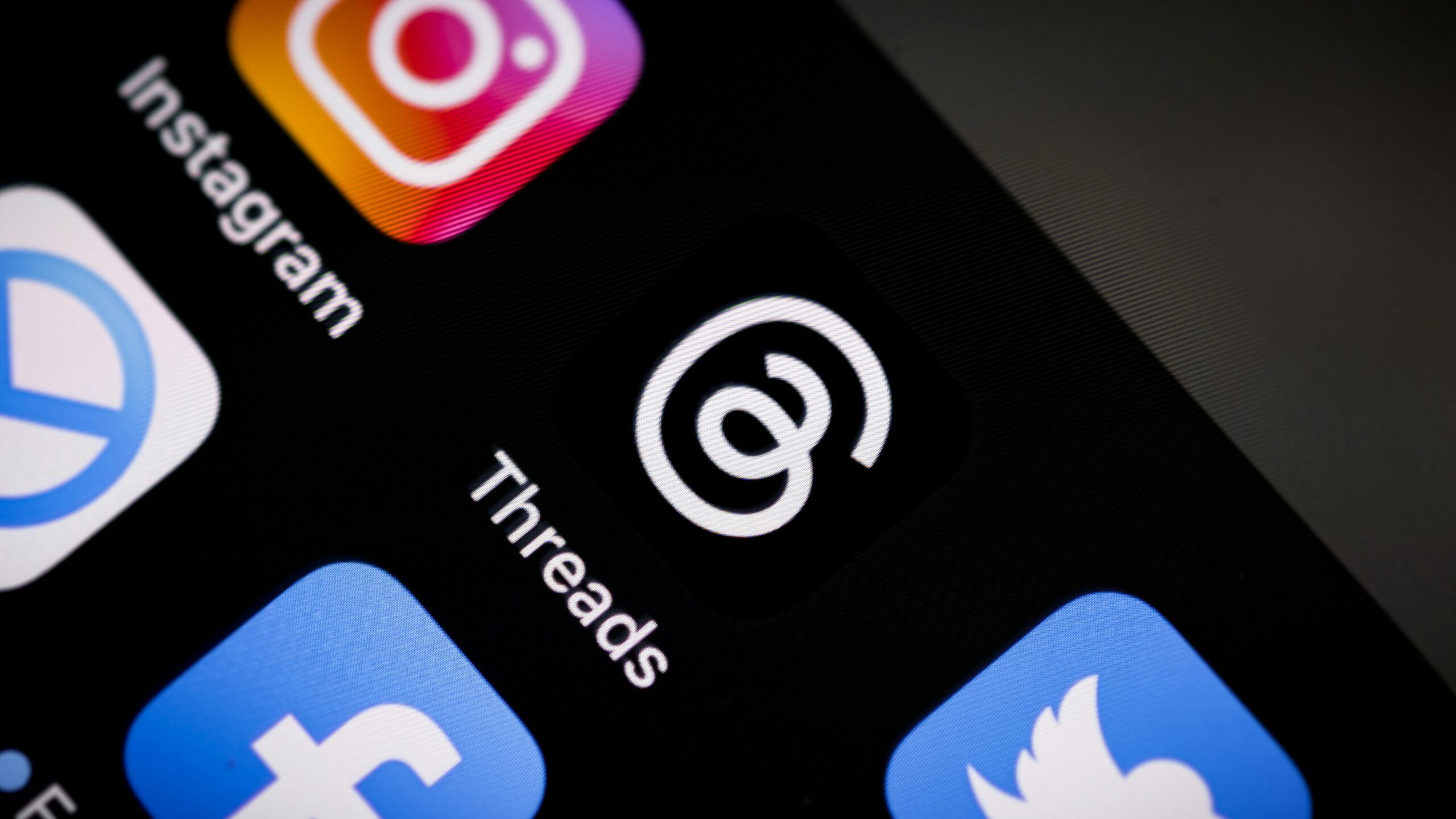
Threads Is Having a Moment

(And You Don’t Want to Miss It)

Let’s be real… social media has felt a little stale lately.
The algorithm keeps changing, content feels repetitive, and showing up can feel like more effort than it’s worth.

But then there’s Threads.

And right now? It’s where things are actually happening.

At Creative Little Soul, we’ve been across Threads since it launched (with Chrissy leading the charge), and we’ll say it straight:

This isn’t just another platform—it’s a serious opportunity.

So why is everyone talking about it?

Because it feels different.

Less polished. More real. Way more conversational.

People are showing up as themselves, engaging properly, and building genuine connections—and the algorithm is rewarding it.

Which means even small brands and businesses are getting seen.

Here’s what most people are getting wrong…

They’re either ignoring it…
or treating it like every other platform.

And that’s exactly why they’re not seeing results.

Threads has its own rhythm, its own rules, and its own way of building momentum—and if you don’t understand that, you’ll miss the window.

The opportunity? It’s right now.

This is one of those rare moments where being early actually matters.

The brands showing up, experimenting, and learning the platform are the ones building visibility fast—while everyone else is still sitting back waiting to see if it’s “worth it.”

Want to actually use Threads properly?

We’ve put everything we’ve learnt into a no-fluff digital guide designed to help you cut through the noise and start seeing results—without wasting time guessing.

If you’re ready to stop lurking and start leveraging it properly…

Grab the full Threads guide HERE

Want to learn how to make it part of your strategy? Contact us today and we’ll help get you started.

Because the brands winning on Threads aren’t waiting—they’re already building momentum.

CLS - Your Website Called. It Needs your Attention

Your Website Called. It Needs Your Attention.

Let’s clear something up straight away.

Yes, you still need a website in 2026.
No, social media alone is not a strategy.

Social platforms are channels you borrow.
Your website is the only digital asset you actually own.

Algorithms change. Accounts get hacked. Reach disappears overnight.
Your website? That’s home base — and it still matters more than most businesses realise.

Social media can’t do everything

Don’t get us wrong — social media is important. We love it. We use it. We build strategies around it.

But relying on it alone is risky.

You don’t control the platform.
You don’t control the reach.
And you definitely don’t control who sees your content and when.

Your website is where everything should point back to. It’s the anchor that holds your entire digital presence together.

Searchability: if you can’t be found, you can’t be chosen

When someone Googles:

  • Your business name
  • Your service
  • A problem you solve

Your website is what determines whether you show up… or stay invisible.

A weak website (or no website at all) means you’re missing out on people who are actively searching, ready to buy, and already halfway to making a decision.

And yes — blogs still matter.

A well-written blog helps to:

  • Improve SEO and search rankings
  • Answer customer questions before they contact you
  • Position your brand as credible and trustworthy
  • Give Google fresh content to index

Blog content compounds. One strong post can keep working for you for years. That’s not outdated — that’s smart.

Let’s talk numbers (because vibes are great, but data matters)

  • Around 75% of people judge a business’s credibility based on its website
  • Over 80% of consumers research online before making a purchase
  • E-commerce continues to grow year on year, with customers expecting fast, seamless online experiences

If your website looks dated, clunky, confusing or broken on mobile — people notice. And they don’t always give second chances.

Your website is not just a digital brochure

This is the part most businesses miss.

Your website shouldn’t just exist.
It should work for you.

A good website can:

  • Feed directly into your email database
  • Capture leads through forms, downloads and enquiries
  • Trigger abandoned cart sequences
  • Power e-commerce sales 24/7
  • Integrate with your CRM, SMS and marketing automations

This is where real growth happens — quietly, consistently, in the background.

And no, it doesn’t need to cost a million dollars

A strategic website isn’t about flashy extras or overbuilt features you’ll never use. It’s about clarity, functionality and alignment with your marketing goals.

At Creative Little Soul, we help businesses:

  • Refresh tired websites that no longer reflect their brand
  • Rebuild smarter, cleaner, more strategic sites
  • Set up e-commerce properly (not “she’ll be right” properly)
  • Integrate databases, forms, automations and customer journeys

Your website should support your marketing — not hold it back.

If you’re unsure whether your current site is actually doing its job — or you already know it’s time for a refresh or rebuild — let’s chat it through.

No pressure. No jargon. Just honest advice and smart strategy.

Because your website shouldn’t be an afterthought. It should be doing some heavy lifting.

CLS - Great Graphic Design Your ticket to business growth

Great Graphic Design: Your ticket to business growth

Quick question: when was the last time your business had really good graphic design working quietly behind the scenes?

Not just a logo you approved years ago.
Not a last-minute Canva post thrown together five minutes before publishing.
But design that actually supports your launches, events, socials, and campaigns — consistently, confidently, and without panic.

Because when branding feels tired, event artwork doesn’t pop, or your socials look rushed and mismatched, it shows. And whether we like it or not, people judge fast.

Good design isn’t decoration — it’s strategy

Graphic design isn’t just about looking pretty.
It’s about:

  • Creating instant trust
  • Building brand recognition
  • Making your business feel credible and established
  • Stopping the scroll
  • Selling the ticket
  • Getting the click

Strong visuals do the heavy lifting before anyone reads a caption, visits your website, or opens your email. Weak design quietly undermines everything else you’re doing.

Your business may have evolved — but have your visuals?

Businesses grow. Services expand. Audiences change. Offers improve.
But the visuals? They often stay stuck in the past.

Suddenly your branding no longer reflects the quality of your work. Event artwork doesn’t match the effort you’ve put into planning. Socials feel inconsistent, DIY, or disconnected.

That gap matters — because people don’t separate “great product” from “average presentation.” They experience it as one thing.

Design that actually supports your marketing

At Creative Little Soul, we don’t just “make things look nice.” We design with purpose. That might look like:

  • Full brand identities or logo design
  • Brand refreshes or visual glow-ups
  • Event artwork, posters, and digital assets that help sell tickets
  • Social media graphics, reels, and story templates that feel cohesive
  • EDM and campaign design that supports your messaging
  • Website graphics and visual direction that tie everything together
  • One-off projects or ongoing graphic design support
  • Signage, business cards, pull-up banners — yes, the IRL stuff still matters too

Good design creates consistency. Consistency builds trust. And trust converts.

Why timing matters

Design is often left until the last minute — and then launches feel stressful, rushed, or inconsistent.

Planning your visuals ahead of time means:

  • Better outcomes
  • Less panic
  • More cohesive campaigns
  • Stronger results across all channels

A little incentive to get your visuals sorted

For a limited time, Creative Little Soul is offering 10% off all graphic design projects booked in March and April — for both new and existing clients.

Here’s how it works:

  1. Get your project quoted
  2. Lock it in with a 50% deposit
  3. Book your design projects anytime from March through 30 June

It’s the perfect opportunity to get ahead on upcoming launches, events, campaigns, or a long-overdue brand refresh.

The bottom line

If your business has evolved but your visuals haven’t — this is your sign.
If you’ve got an event, launch, or campaign coming up — also your sign.

Your visuals deserve better. And honestly? So do you.

Let’s make your business look as good as it actually is — online and IRL.

? Let’s chat.

CLS - Quiet Marketing Why Trust Builds Faster Than Hype

Quiet Marketing: Why Trust Builds Faster Than Hype

And why the slow burn is actually the smartest move in 2026

Everyone wants that viral moment.
The big spike.
The “we sold out in 24 hours” screenshot.

But here’s the truth most people don’t want to hear:

Hype fades. Trust compounds.

And in 2026, the businesses quietly winning aren’t the loudest.
They’re the most consistent.


What Is Quiet Marketing?

Quiet marketing isn’t doing less. It’s doing the right things, repeatedly, over time.

It’s:

  • Showing up consistently
  • Building real relationships
  • Communicating clearly, not constantly
  • Playing the long game

It’s not flashy.
It’s not frantic.
And it doesn’t rely on panic posting or last-minute desperation.

Quiet marketing is how sustainable businesses are built.


Let’s Talk Real Examples (Because This Isn’t Theory)

I’ve seen this play out again and again in hospitality, events and retail.

NYE Events: Last Year vs This Year

Last year, some venues relied on hype alone. Big push, late marketing, loud messaging.

This year?
Same venues sold earlier, easier, and with less stress.

Why?

Because trust had already been built:

  • Databases were warmed up
  • Customers knew what to expect
  • Past experiences did the selling
  • Marketing wasn’t starting from zero

No shouting required.

Gift Vouchers: The Ultimate Quiet Marketing Play

Gift vouchers are the perfect example of compounding trust.

Year one: A few sales.
Year two: More recognition.
Year three: Habit.
Year four: Loyalty.

Customers don’t buy gift vouchers from brands they don’t trust. They buy them from businesses that have delivered — repeatedly.

That doesn’t come from hype. It comes from consistency.


Why Quiet Marketing Works Better Than Hype

Hype-driven marketing:

  • Creates spikes
  • Burns teams out
  • Trains customers to wait for promos
  • Is stressful and unpredictable

Quiet marketing:

  • Builds momentum
  • Increases repeat business
  • Strengthens loyalty
  • Lowers marketing stress over time
  • Makes launches easier every year

The businesses that “suddenly” look successful usually aren’t sudden at all. They’ve just been quietly doing the work for years.


Trust Is the Real Conversion Tool

People buy when they feel safe.

 Safe that:

  • You’ll deliver
  • You’ll show up
  • You won’t disappear
  • You’ll look after them

Trust is built through:

  • Consistent emails, social posts and SMS
  • Clear messaging
  • Good service
  • Familiar branding
  • Repeated positive experiences

That’s why quieter brands often outperform louder ones long term.


Quiet Marketing Still Needs Strategy

Let’s be clear. Quiet marketing does not mean winging it.

It still requires:

  • A clear plan
  • Strong brand foundations
  • Email and SMS that nurture, not nag
  • Paid ads used strategically, not desperately
  • Offers that make sense
  • Systems that support growth

It’s calm, not casual.


If Your Business Feels Tired, This Is Why

If marketing feels exhausting right now, chances are you’re stuck in:

  • Last-minute launches
  • Constant scrambling
  • Discount dependency
  • Reactive decisions
  • “We should post something” energy

Quiet marketing flips that.

It creates:

  • Predictability
  • Breathing room
  • Confidence
  • Better decision-making

And over time, it makes growth easier.


This Is Exactly What We Help With

At Creative Little Soul, we don’t chase hype for the sake of it. We help businesses build marketing systems that compound.

We help you:

  • Build trust with your audience
  • Create consistency across channels
  • Strengthen loyalty
  • Reduce panic marketing (Sorry, but we don’t do this)
  • Set up long-term growth, not quick fixes

If you’re ready to stop yelling and start building something that lasts —

? Get in touch with Creative Little Soul. Let’s talk about how quiet marketing can work for your business.

Because the best brands aren’t the loudest. They’re the ones people keep coming back to.

CLS - The Power of Community

The Power of Community-Led Marketing

Turning Customers into Advocates Through Connection, Trust, and Authenticity

In a world saturated with ads, sponsored posts, and endless promotions, one thing continues to cut through the noise: community.

Community-led marketing isn’t about shouting the loudest — it’s about creating meaningful connections, earning trust, and giving your audience a reason to talk about you when you’re not in the room. When done well, it transforms customers into advocates and brands into movements.

At Creative Little Soul, we believe the strongest marketing doesn’t feel like marketing at all — it feels like belonging.


What Is Community-Led Marketing?

Community-led marketing puts people at the centre of your brand strategy. Instead of focusing solely on conversions, it prioritises relationships, shared values, and ongoing engagement.

It’s the difference between:

  • Talking at your audience
    and
  • Building with them

When customers feel seen, heard, and genuinely valued, they naturally want to share their experience — not because they were asked to, but because they want to.

That’s where organic growth lives.

Turning Customers into Advocates

Your happiest customers are your most powerful marketing asset. They don’t just buy — they recommend, defend, and promote your brand without being prompted.

So how do you encourage that?

1. Highlight Real Stories (User-Generated Content in Action)

People connect with people, not polished perfection.

A great local example is Beachside Bagels in Adelaide. Their socials are built heavily on user-generated content — customer photos, stories, and tags shared straight from the community. What really fuels the momentum is how consistently they tag customers back. That simple act of acknowledgement creates a feedback loop: customers feel seen, so they share more, and the community continues to grow organically.

It’s not about flawless branding — it’s about recognition.

This same approach is echoed by brands like Naked Harvest, Pistachio Papi, and Sabbi, who actively reshare their community, celebrate customer moments, and lean into content that feels real and relatable. Their feeds don’t feel like ads — they feel like conversations.

When customers see themselves reflected in your content, they feel part of something bigger.

2. Engage Consistently (Not Just When You’re Selling)

Community isn’t built in bursts — it’s built through consistency.

Reply to comments. Respond to DMs. Repost customer content. Acknowledge feedback. Celebrate milestones. Ask questions and actually listen to the answers.

Brands like Naked Harvest have mastered this by showing up daily — not just to sell products, but to interact, educate, and entertain. Over time, this reinforces one powerful message: this brand is present.

These small, regular touchpoints build familiarity and trust, which is exactly what turns customers into long-term advocates.

3. Create Shareable Experiences, Not Just Content

People don’t share advertisements — they share experiences.

Think:

  • In-store moments worth photographing
  • Packaging that feels thoughtful and intentional
  • Online interactions that feel personal
  • Brand energy people want to be associated with

Pistachio Papi is a strong example of this — their bold branding, playful tone, and cult-like energy make customers want to be part of the story. Sharing becomes an extension of the experience, not a marketing request.

The goal isn’t to ask for shares. It’s to create moments people want to share.

Authenticity Builds Reputation (and Reputation Builds Trust)

In today’s market, reputation is currency.

Consumers are more informed than ever, and they’re making decisions based on reviews, word-of-mouth, and how a business shows up consistently — especially when no one is watching.

Community-led marketing strengthens your reputation by:

  • Showing transparency
  • Encouraging genuine feedback
  • Demonstrating accountability
  • Building long-term credibility

Brands like Sabbi have built trust through consistency, strong brand values, and authentic storytelling — which in turn creates loyalty and repeat advocacy.

When people trust your brand, loyalty follows. And loyal customers don’t just return — they bring others with them.

From Audience to Community

There’s a big difference between having followers and having a community.

An audience watches.
A community participates.

Community-led marketing invites people to be part of the journey — to contribute, engage, and grow alongside your brand. It creates emotional investment, not just brand awareness.

And the beauty of it?
It compounds over time.

One positive experience leads to a recommendation. One shared story leads to a new connection. One trusted interaction leads to long-term loyalty.

Why It Matters More Than Ever

Algorithms change. Ad costs rise. Trends come and go.

But community endures.

Businesses that invest in community-led marketing aren’t just chasing short-term wins — they’re building sustainable brands rooted in trust, advocacy, and genuine connection.

At Creative Little Soul, we help businesses move beyond transactional marketing and into relationship-driven growth — where customers feel valued, stories are celebrated, and reputation becomes your strongest asset.

Because when your community believes in you, your marketing works harder than any campaign ever could.

If you’re ready to build a brand community that feels aligned, authentic, and genuinely connected, get in touch today and let’s build it together.

CLS - Are Paid Ads Still Worth it in 2026

Are Paid Ads Still Worth It in 2026?

A very honest breakdown of paid vs organic (and where your money should actually go)


Let’s get straight to it.

Yes — paid ads are still worth it in 2026.
But only if you stop treating them like a magic ATM and start using them properly.

If you’re boosting posts with no strategy, no creative refresh, and no follow-up plan, you’re not “doing ads”.
You’re donating money to Meta.

So let’s break this down properly.


Organic Marketing: Still Important, But It’s Not Enough

Organic content isn’t dead. But it is slower, noisier, and harder than it used to be.

Organic is great for:

  • Brand credibility
  • Trust and authority
  • Community building
  • Staying top of mind
  • Showing personality, culture and values

Organic is NOT great for:

  • Fast growth
  • Predictable results
  • Scaling revenue
  • Launching new offers
  • Reaching new audiences consistently

If you rely only on organic in 2026, growth will be slow — and inconsistent.

Think of organic as your foundation, not your growth engine.


Paid Ads: The Accelerator (When Done Right)

Paid ads are where momentum comes from — if you have the right pieces in place.

Paid ads work best when:

  • Your offer is clear
  • Your messaging is sharp
  • Your creative actually stops the scroll
  • Your website or landing page converts
  • You understand your audience

Paid ads allow you to:

  • Reach new customers instantly
  • Scale offers that already work
  • Control visibility (instead of hoping the algorithm likes you today)
  • Test messaging quickly
  • Generate consistent leads and sales

What paid ads won’t do:

  • Fix a broken business model
  • Save a confusing brand
  • Replace strategy
  • Work on autopilot with zero effort

Paid ads don’t replace thinking. They reward it.


The Real Answer: It’s Not Paid or Organic. It’s Both.

The smartest businesses in 2026 are doing this:

  • Organic content to build trust, community and brand
  • Paid ads to amplify what’s already working
  • Email + SMS to convert, retain and repeat sales
  • Clear funnels instead of random posting
  • Consistent messaging across every channel

If your organic content sucks, paid ads will expose it faster.
If your paid ads are strong, organic will support them beautifully.

They work together — not separately.


Where Businesses Should Actually Spend in 2026

If budgets are tight (and let’s be real, for many they are), here’s the priority order I recommend:

  1. Strategy first
    No ads without a plan. Ever.
  2. Creative that converts
    Design, copy, video. This is where most ads fail.
  3. Paid ads with purpose
    Not “boost post”. Real campaigns with clear goals.
  4. Email + SMS
    Because renting attention is expensive — owning it is smart.
  5. Consistent organic presence
    Not daily posting. Strategic posting.

Cutting marketing spend is not the move in 2026. Spending smarter is.


The Hard Truth

If ads “don’t work” for your business, one of these is true:

  • Your offer isn’t strong enough
  • Your messaging is unclear
  • Your creative is boring
  • Your funnel is broken
  • Or no one is managing it properly

And that’s all fixable.


Want Ads That Actually Work?

At Creative Little Soul, we don’t just “run ads”. We build the strategy, fix the foundations, create the content, and make sure your spend actually delivers results.

If you’re done guessing, boosting, and hoping  and ready to market like a grown-up business in 2026 —? Get in touch.
We’ll tell you exactly what’s working, what’s wasting money, and what to do next.

How to Measure Event Marketing Success Beyond Ticket Sales

How to Measure Event Marketing Success Beyond Ticket Sales

Ticket sales are important – no argument there. They keep the lights on and the snacks flowing. But if that’s the only metric you’re looking at, you’re missing the real magic that makes an event unforgettable. The good news? There’s a whole world of wins that show your event is hitting its mark, long after the tickets are sold. In this blog, we’re breaking down the 5 top ways to measure event marketing success beyond ticket sales. Keep reading to find out more. 

1. Community: Your People Are Everything

It’s one thing to sell tickets. It’s another to create a crowd that comes back, talks about you to their friends, and genuinely feels part of something. Measuring community success can include repeat attendance, social media engagement, or even just the buzz people leave in your DMs. Some clever ways to nurture that community? Reward loyalty with VIP perks or early access, spotlight attendees on your socials, or create small interactive moments at your events that make everyone feel seen. These are the kinds of touches that turn attendees into superfans.

2. Email Growth: The Silent Superstar

A growing email list is more than just numbers – it’s a direct line to your audience for future events. Tracking sign-ups from your event campaigns shows who’s invested enough to stay in the loop. To make it count, try offering early-bird access to the next event, exclusive behind-the-scenes content, or fun competitions for subscribers. Each new email is a tiny victory that builds momentum long after the last guest has left.

3. Press Mentions: Getting Your Name Out There

Media coverage amplifies your reach and boosts credibility. From features in local newspapers to niche blogs and event round-ups, tracking press mentions is a key indicator of the buzz your event is generating. Even small mentions can spark conversations, attract new audiences, and build momentum for future events. At CLS, we maintain a database of PR contacts across Australia and globally, ensuring the events we work on not only get the attention they deserve but reach the right eyes in all the right places. Whether it’s crafting and distributing press kits, inviting journalists and influencers to experience the event firsthand, or curating shareable visuals that make coverage irresistible, there are plenty of ways to get your name out there when you know the right people.

4. Partnerships: The Power Moves

Events are better when you play well with others. Measuring the success of collaborations – whether with brands, venues, or influencers – is a smart way to see your impact beyond ticket sales. Look at cross-promotional reach, new audiences brought in by partners, or even the ongoing opportunities that come from strong relationships. Partnering with the right people can elevate your event, create unique experiences, and make the hype contagious.

5. Sentiment: The Real Feedback

Numbers are useful, but feelings matter too. Social media comments, reviews, and general buzz are key indicators of whether your event resonated. Sentiment analysis might include tracking hashtags, monitoring post-event surveys, or simply noting how people talk about the experience online. Positive vibes mean your audience is engaged, happy, and likely to return – and nothing is more valuable than that.

Wrapping It Up

Ticket sales will always be important, but true event success goes far beyond them. Community growth, email engagement, press coverage, partnerships, and sentiment all show that your event left a mark. By paying attention to these areas, you’re not just hosting an event – you’re building momentum, loyalty, and memories that keep people coming back for more.

At Creative Little Soul, we love helping brands measure success in all the right ways, so your events aren’t just attended – they’re remembered. 

Ready to make your next event unforgettable? Get in touch with us today, and let’s create an experience people won’t stop talking about.