

At Creative Little Soul, we’re always drawn to the people behind the lens—the creatives who shape how we see the world. We recently sat down with photographer Asher Milgate to talk about capturing human essence, the evolving relationship we have with imagery, and why investing in high-quality visual content matters now more than ever.
The Changing Way We Experience Photography
In a world where images are constant—especially online—we asked Asher whether people engage with photography differently today.
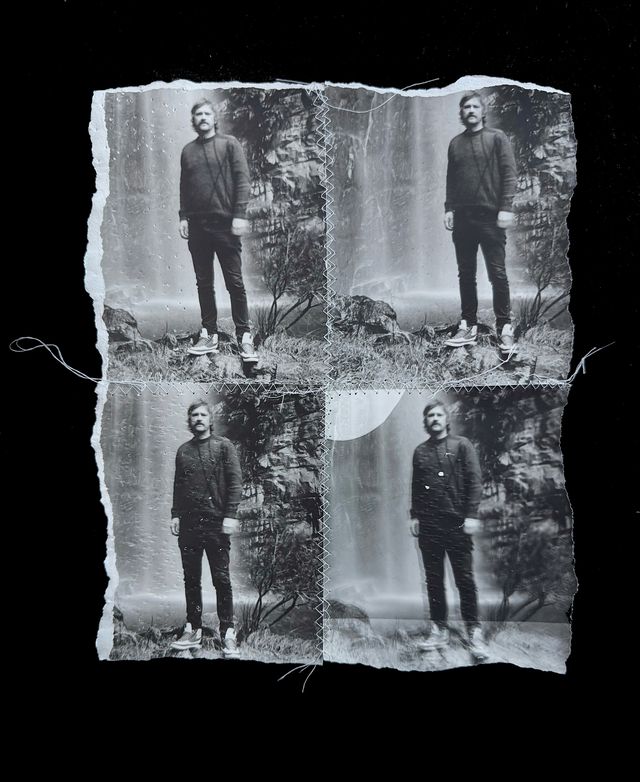
“Absolutely,” he says. “Photographs that were once tangible, chemical processes are now mostly virtual—viewed through screens and rarely experienced in their natural form. I think images have a greater impact physically.”
Asher reflects on the shift from film to digital, and now into the age of AI. “We’ve gone from something deeply physical and scientific into digital, and now into something almost fabricated. It’s a strange evolution.”
He recalls asking teenagers at a workshop how they consume media. Their response? They simply picked up their phones. It’s a telling sign of how disconnected we’ve become from photography as a physical art form.
Authenticity in the Age of AI
With AI-generated visuals becoming increasingly common, what makes a photograph feel real?
“It comes down to your relationship with the subject,” Asher explains. “Photography has always had an element of illusion—we frame, position, and guide the viewer’s eye. But authenticity comes from the truth and rawness of a moment.”
While AI can replicate “realness,” it often becomes too polished. “The tones, the highlights—it’s all amplified to a point where you start to question it. That’s when it feels off.”
There’s a subtle but powerful difference between something that looks real and something that feels real—and audiences are becoming more aware of that distinction.

Why Memorable Images Feel Rare
Despite the endless stream of content, truly memorable images seem harder to come by.
Asher believes this comes down to trends. “People follow what works—what gets engagement—and then repeat it. But if you’re only consuming one type of content, you start replicating it without developing your own visual voice.”
Standing out, he says, requires trust in your own perspective. “You have to back yourself and say, ‘This is how I see the world.’ Otherwise, you’re just blending into the noise.”
What Makes Someone Stop Scrolling?
So what separates a scroll-past image from one that makes you pause?
“It’s personal,” Asher says. “We’re all chasing something internally—something that resonates. For me, it might be sharp European mountain landscapes. For someone else, it’s something entirely different.”
Ultimately, a strong image taps into something instinctive. It sparks curiosity, emotion, or recognition—often without us fully understanding why.

The Power of Visual Content for Brands
Today, brands, artists, and businesses communicate visually more than ever. Yet, according to Asher, many underestimate the true potential of their imagery.
“It’s rare to see people use images to their full capacity,” he says. “I’ve seen beautiful photos reduced to tiny thumbnails where you can’t even see the subject. It loses its impact.”
On the flip side, when imagery is used well, it becomes a powerful tool. “The image draws you in, and the copy seals the deal.”
A strong photograph doesn’t just support a message—it is the message.

Imagery as a Brand’s Visual Language
At Creative Little Soul, we often describe imagery as a brand’s visual language. Asher agrees—and takes it a step further.
“I think of brands as people,” he says. “They have identities, they evolve, they shift.”
He compares working with a photographer to finding a great hairdresser. “Once you find someone who understands how to present you, you stick with them. That relationship grows alongside your brand.”
Photographers, he says, are “professional seers”—people who can interpret and translate a vision in ways others might not see.
In a fast-moving digital world, where content is constant and attention is fleeting, the value of intentional, high-quality imagery has never been greater.
A powerful image doesn’t just fill space—it creates connection. It tells a story. It makes someone stop, feel something, and remember.
And that’s something worth investing in.